
Why Is My Car Making That Noise? Common Brake Issues and What to Do | AutoWorks Car Care

Autoworks Car Care • July 24, 2026

Share this article

Whether you’re commuting down I-15 or navigating the winding roads up to Mount Nebo, you rely on your brakes constantly. But when you press the pedal and hear an awful squeal—or worse, a harsh grinding noise—it’s easy to feel a pit in your stomach.

Your vehicle’s braking system is its most critical safety feature. Ignoring strange noises or changes in how your brake pedal feels can lead to costly repairs and unsafe driving conditions. Here is a breakdown of what those noises mean and what you should do next.

What Your Brakes Are Trying to Tell You

Different brake noises point to entirely different problems. Here is a quick guide to decoding what you're hearing from behind the wheel:

1. High-Pitched Squeaking or Squealing

If you hear a high-pitched squeal when you apply the brakes, it’s usually by design. Most modern brake pads are built with a small metal tab called a "wear indicator." When your brake pads wear down to a certain thinness, this metal tab rubs against the brake rotor, creating a squeal.

  • The Verdict: Your brake pads are low. It's time to schedule a replacement before they wear down completely.

2. Harsh Grinding Noises

If that squeal has turned into a deep, metal-on-metal grinding sound, your brake pads have completely worn through. The metal backing plate of the brake pad is now gouging directly into your brake rotor.

  • The Verdict: Stop driving the vehicle if possible. You are actively damaging your brake rotors and compromising your stopping power.

3. Vibration or Shaking in the Steering Wheel

Do you feel a pulsing sensation in the brake pedal or a shudder in your steering wheel when slowing down? This usually indicates "warped" brake rotors. Extreme heat from heavy braking can cause the flat surface of the rotor to become uneven. When the brake pads squeeze this uneven surface, the whole vehicle shakes.

  • The Verdict: Your rotors will need to be either resurfaced (machined flat again) or fully replaced, along with new brake pads.

4. A "Spongy" or Soft Brake Pedal

If your brake pedal feels squishy, sinks to the floor, or requires you to pump it to stop, you have a hydraulic issue. This is often caused by air entering the brake lines, a brake fluid leak, or degraded brake fluid that has absorbed too much moisture over time.

  • The Verdict: This is a severe safety risk. Your brake fluid needs to be inspected immediately.


The AutoWorks Car Care Difference: See It For Yourself

At AutoWorks Car Care here in Payson, UT, we don't expect you to just take our word for it when we say you need new brakes.

As a Digital Shop , we use comprehensive Digital Vehicle Inspections. When you bring your car in for a brake check, our ASE-certified technicians don't just look at your brakes—we take clear photos and videos of your brake pads, calipers, rotors, and brake fluid. We text or email that digital report directly to your phone. You get to see exactly how thick your brake pads are and the exact condition of your rotors before you approve a single repair.

Whether you need a simple brake pad replacement, fresh brake fluid, or new calipers, we service all makes and models—from heavy-duty Cummins and Duramax trucks to standard Toyota and Honda daily drivers.

Don't ignore the noise. If your brakes are trying to tell you something, let the experts at AutoWorks Car Care translate.

Recent Posts

By AutoWorks Car Care • October 8, 2026
Winter in Utah can bring freezing temperatures, snow, ice, and changing road conditions. Before the coldest weather arrives, taking time to prepare your vehicle can help reduce...
By Autoworks Car Care • September 3, 2026
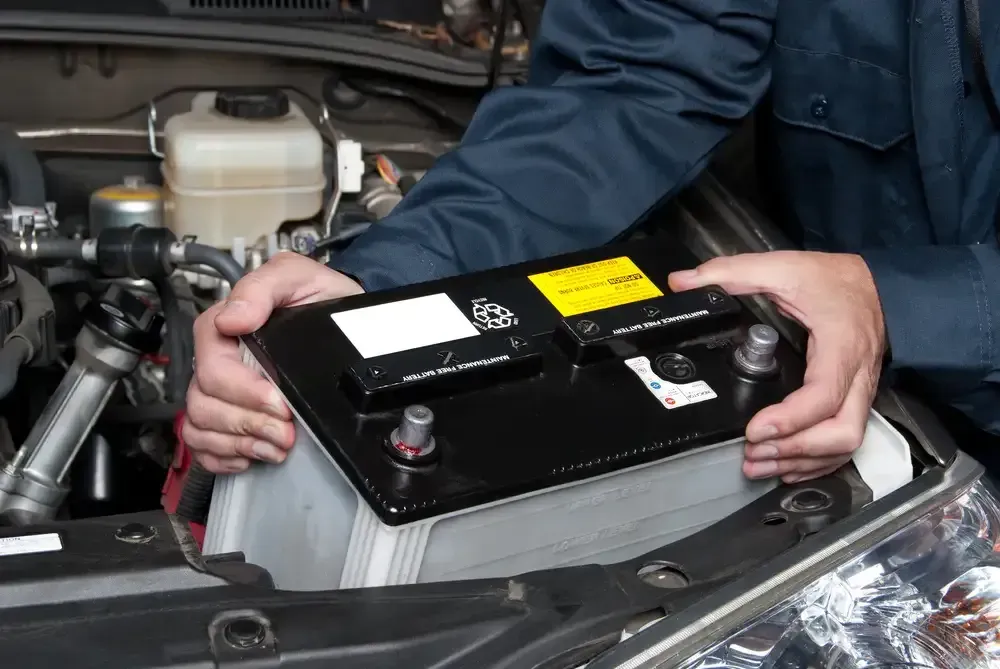
When most drivers think about car battery problems, they picture a freezing winter morning and a vehicle that suddenly refuses to start. But summer heat can actually do a...
By Autoworks Car Care • August 7, 2026
Your tires are the only part of your vehicle that make direct contact with the road, making them one of the most important safety components on your car. Proper tire maintenance...

By Autoworks Car Care • June 19, 2026
Most vehicle owners understand the importance of changing their oil, but preventative maintenance goes far beyond basic oil changes. Routine maintenance is one of the most...
By Autoworks Car Care • April 25, 2026
When temperatures start rising in Utah, a properly working air conditioning system is more than a comfort feature. It helps make every drive safer, more enjoyable, and less...

By Autoworks Car Care • April 10, 2026
As winter fades across Utah County , your vehicle needs attention after months of cold weather and rough road conditions. At AutoWorks Car Care , we help drivers stay safe...
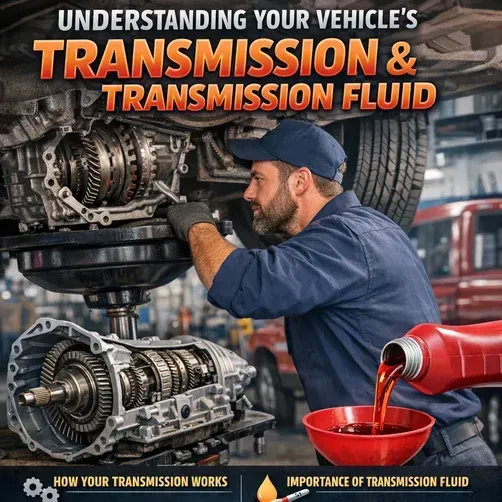
By Autoworks Car Care • February 24, 2026
Your vehicle’s transmission is one of the most important components under the hood. It transfers power from the engine to the wheels and allows your vehicle to shift gears...
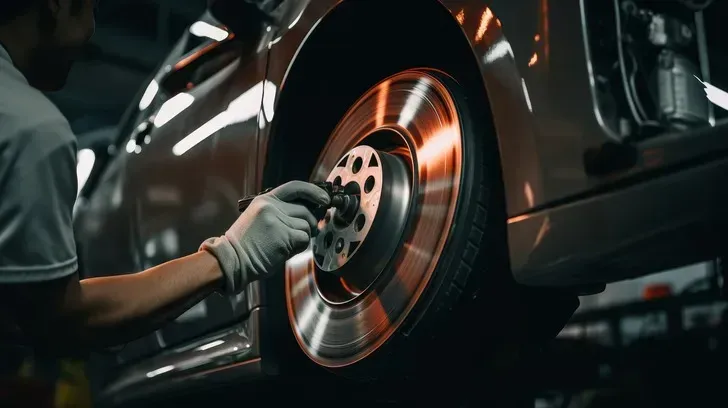
By Autoworks Car Care • December 12, 2025
Brake problems are one of the most common — and most important — issues drivers face. If your car is making strange noises when you slow down or stop, it’s not something to...

By Autoworks Car Care • October 10, 2025
Cold weather can take a toll on your vehicle. Prepping your car before temperatures drop helps keep you safe, prevents unexpected breakdowns, and ensures smooth winter driving...
By Autoworks Car Care • July 16, 2025
Is your car’s A/C blowing warm air? Don't sweat it — literally. At AutoWorks Car Care in Payson, Utah , we specialize in complete A/C diagnostics, recharge, and repairs to keep...